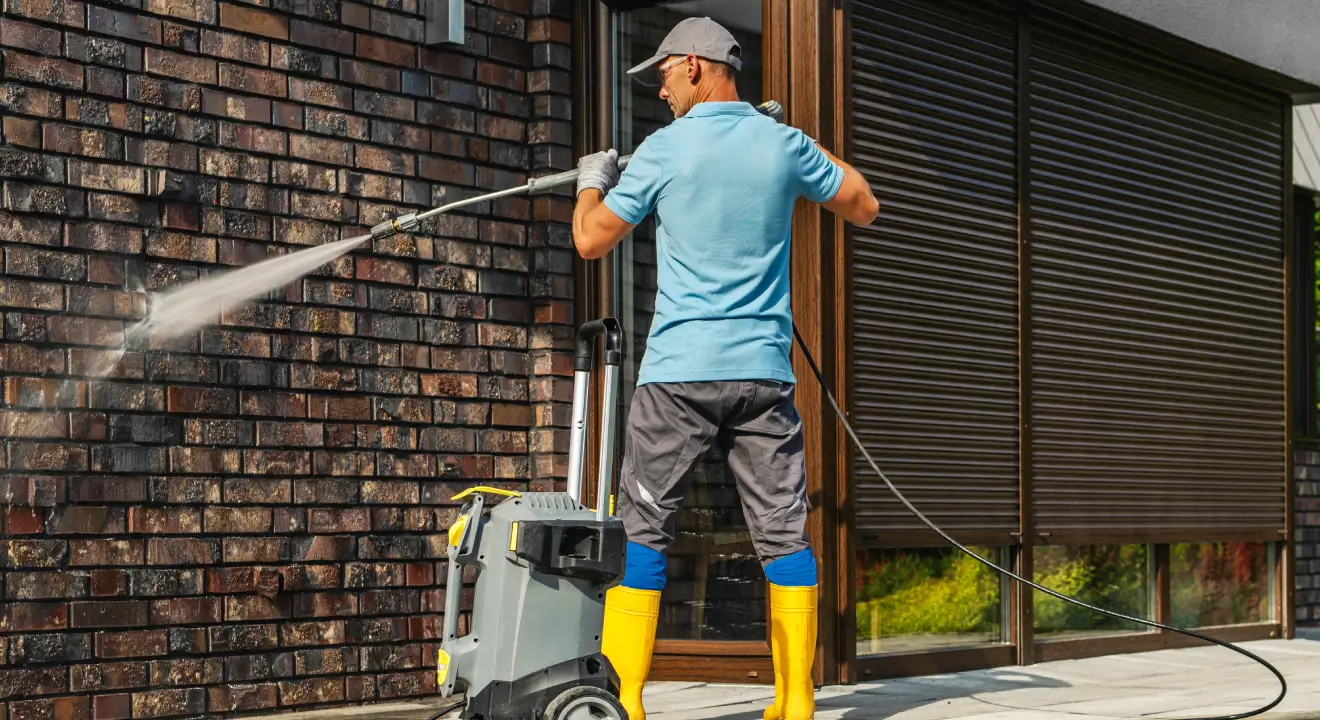
Dirt, algae, mildew, and weather stains can gradually affect the appearance of your home’s exterior. Pressure washing can help remove stubborn buildup from suitable surfaces, restoring a cleaner look to driveways, walkways, patios, and other outdoor areas.
However, using too much pressure or the wrong cleaning technique can damage paint, wood, siding, and other delicate materials. Understanding the surface you are cleaning is essential before choosing your equipment and cleaning method.
By building strong relationships with families, we create a warm and collaborative environment that benefits everyone. Whether it’s joining a therapy session, sharing a meal, or simply visiting for a chat, these interactions deeply enrich the lives of our residents and foster a deeper connection between staff, seniors, and their loved ones.
Understanding Pressure Washing and Soft Washing
Pressure washing uses pressurized water to remove dirt, mud, and buildup from suitable exterior surfaces. It is commonly used on durable materials such as certain concrete driveways, paved walkways, and other hard surfaces when the correct technique is applied.
Not every exterior surface can withstand the same cleaning pressure. Concrete may tolerate a more powerful wash than painted wood, vinyl siding, or older masonry. Using an unsuitable technique can cause surface damage, force water behind siding, or strip away protective finishes.